Is it time to upgrade your EV?
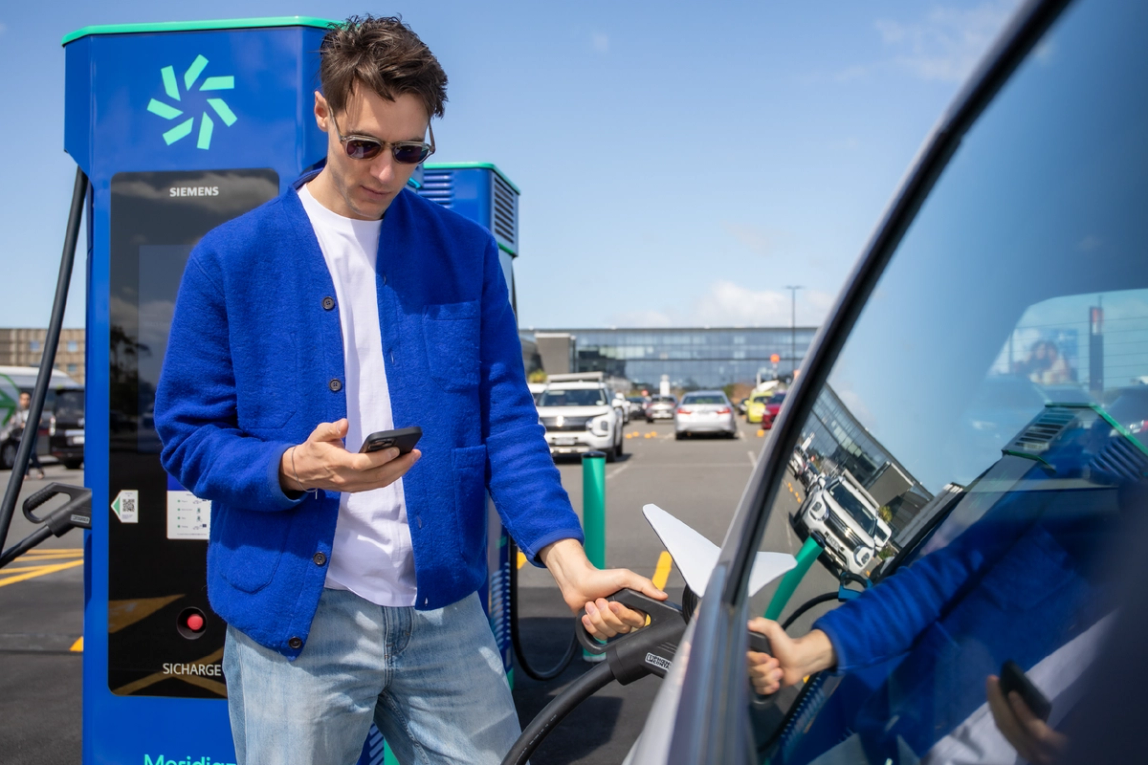
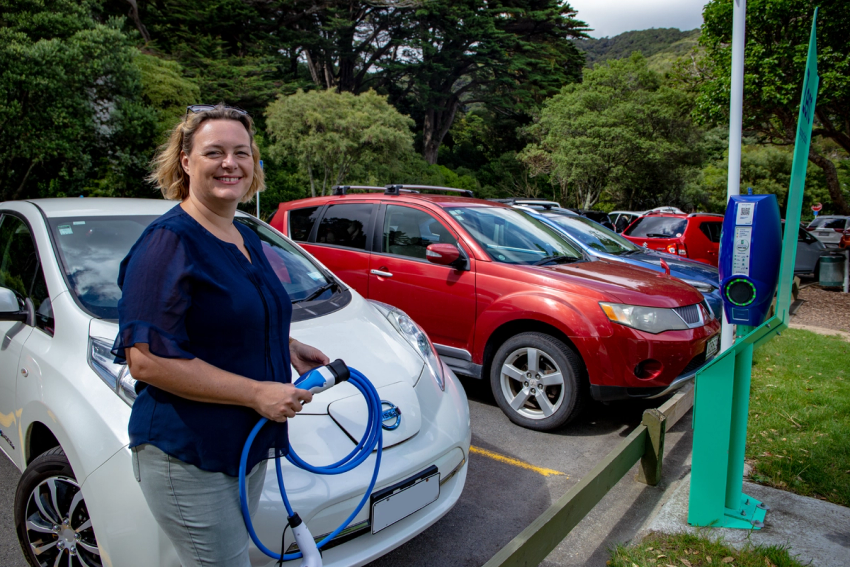
For many New Zealanders, their first electric vehicle was a Nissan Leaf. A Japanese import, modestly priced and perfect for the school run and commute. It was the vehicle that introduced a generation of Kiwi drivers to what electric actually felt like and for a lot of people, there was no going back.
But the Leaf is getting older. And the EV market it arrived into looks almost nothing like the one that exists today.
New EV models are arriving at a pace that would have seemed unlikely even five years ago. Manufacturers like BYD are releasing dozens of new vehicles every year, developing technology by listening closely to what drivers actually want and moving fast. The result is a market where the gap between an older EV and a current one is not just incremental, it’s significant. Vaughan Buckingham, EV Project Delivery Manager at Meridian Energy, has watched that shift play out in real time. His take on upgrading is straightforward.
"Once you've driven an EV, you're only going to look to upgrade,” says Vaughan. “You've learned a lot, you're not going backwards."
The question is less whether to upgrade, more when and what's actually worth upgrading for.
What’s actually changed
The gap between a 2015 Leaf and a modern EV is not a small one. It spans charging technology, battery management, software capability and how the vehicle integrates with the broader energy systems in your home. Understanding that gap makes the upgrade decision much clearer.
Charging speed
It’s the biggest practical difference for most drivers and it matters the most on road trips.
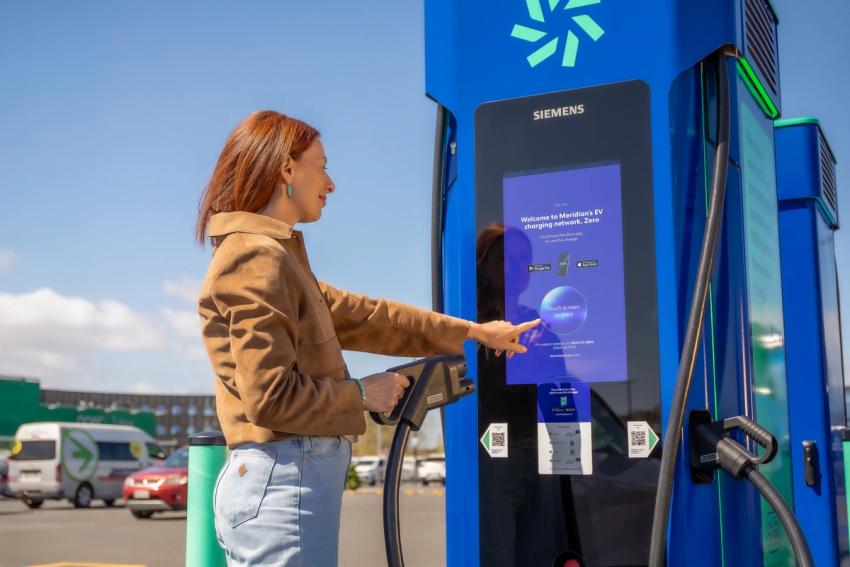
Older EVs like the Nissan Leaf use CHAdeMO connectors, which cap out at relatively modest charging speeds. The maximum you’ll ever get from a CHAdeMO charger sits somewhere around 50-60 kW. Modern vehicles use CCS for DC charging and the difference in real-world terms is significant. Where a CHAdeMO vehicle might need 45 minutes or more at a public fast charger, a CCS vehicle could be ready to go in 10-15 minutes. That’s not a marginal improvement. It’s the difference between a proper stop and a coffee and carry on!
That gap is only growing. Newer, faster charging technology is pushing charge times down further still, toward the speed of a conventional fuel stop. Vaughan describes watching the state of charge counter tick upward almost in real time on the latest generation of vehicles.
"At that point, you can no longer argue with it,” says Vaughan.
For anyone doing regular long distance travel, faster charging fundamentally changes the experience. Road trips that once required careful planning around charging windows become considerably more relaxed with less range anxiety.
Battery thermal management
Early EVs, particularly those without active thermal management, could lose range noticeably in cold conditions or when the heater was running hard. New Zealand winters and hilly terrain made this even more obvious.
Modern vehicles manage battery temperature far more effectively, delivering more consistent range across different conditions. This means the range your vehicle shows on a cold Wellington morning is much closer to what you’ll actually get than it might have been in an older generation vehicle. For drivers who struggled with range anxiety in an older EV, this can change how the whole experience feels day to day.
Better thermal management also has implications for long-term battery health. Batteries that run cooler degrade slower, which feeds directly into resale value further down the track.
Software and over-the-air updates
This one tends to surprise people who haven’t bought a recent EV. Modern vehicles update themselves, in the same way a smartphone does. Navigation improves. New apps appear. Interfaces get refined. Features that didn’t exist when you bought the car become available without having to visit a dealer.
Vaughan says that his own vehicle, bought in 2022, feels different now than when he drove it off the lot.
"The car I bought is actually quite a different vehicle now,” says Vaughan. “It's got better satnav, wireless CarPlay and new interfaces. That's something your older EV simply won't have."
This represents a genuinely different relationship with a vehicle than most Kiwi drivers are used to. A petrol car bought in the early 2000s is essentially the same car today. An EV bought in 2022 can continue to improve. For anyone upgrading from a first-generation vehicle, that’s part of what makes the EV experience feel so different.
Storage and practicality
Purpose-built EVs tend to have more thoughtful storage than models converted from petrol platforms and it shows in the details that matter when you’re actually living with the vehicle.
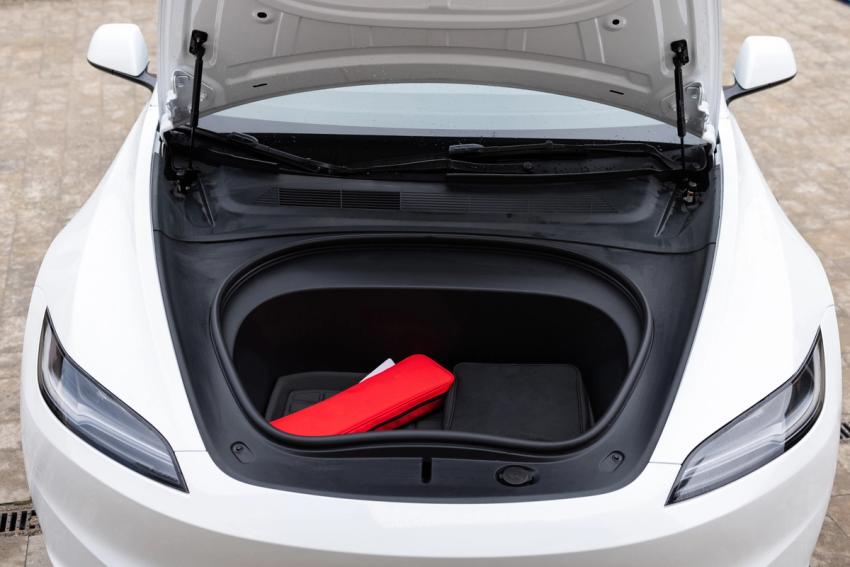
A frunk, the storage compartment where an engine block used to be, has become a practical marker of good EV design. It’s where your charging cables live without taking up boot space, where you can stash a small family tent for a camping trip without forcing the boot closed. Vaughan sees the presence or absence of a frunk as a useful signal when evaluating a vehicle.
"If an EV is coming out without one, I think it shows they're a little bit late to the game on the design front,” says Vaughan.
Boot space, cabin technology and the general sense that the vehicle was designed around electric from the beginning, rather than adapted to it, are all areas where the newer generation of vehicles tends to be better.
The one mistake worth avoiding
Upgrading from one EV to another is generally a low-risk decision. Drivers who have already made the switch know how charging works, understand their own routine and have calibrated their expectations on real experience rather than assumption. They’re not starting from scratch.
If there’s a single area worth pausing on, it’s range. The trend in EVs is toward larger batteries and it’s easy to be drawn toward buying more range than your actual driving requires. A bigger battery costs more to purchase and takes more energy to replenish each time you charge. Right-sizing the vehicle to your daily routine is the smarter call.
That said, buying up in battery size often comes with real advantages beyond the range figure itself. Faster charging speeds, better thermal management and improved overall efficiency tend to travel alongside larger capacity batteries in modern vehicles. So the calculation is not purely about whether you need 500 km of range. It’s about what else you get with it.
Battery health, resale and when to move on
Battery state of health, commonly referred to as SOH, is increasingly well understood in the New Zealand used EV market. A vehicle with 90% SOH will attract a meaningfully higher price than one sitting at 80% and buyers are becoming more sophisticated about asking for this information upfront. EECA estimates that an EV battery is expected to last 10-20 years before range capacity diminishes, which puts the resale conversation in a longer frame than many buyers initially expect.
Most new EVs come with an eight-year battery warranty, which provides useful protection and a clear benchmark for buyers. Understanding more about how EV batteries work and degrade over their lifespan is worth doing before you buy or sell.
If your current vehicle's available range no longer meets your needs, that’s a clear enough signal. Low and zero-interest financing from New Zealand banks has made upgrading more accessible than it used to be, which changes the equation for a lot of people who might have assumed a new EV was out of reach.
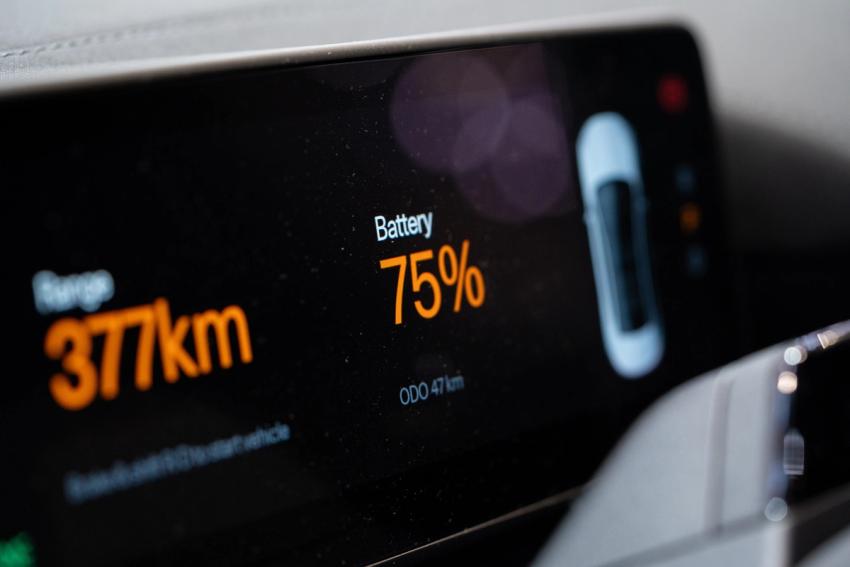
There’s also a longer game worth thinking about. An older EV with a degraded battery doesn’t have to become a trade-in. Vehicle-to-grid technology, which allows a battery to feed power back into your home, means even a smaller or older battery retains real value as a household energy asset, particularly when paired with solar generation. Vaughan's own thinking on this is helpful.
"If it gets to the point where it's only going to do 150 km, that'll be our second car,” says Vaughan. “We'll use it to run around town and power the house. Extract the maximum value out of it."
Running a vehicle into the ground and then repurposing it rather than simply trading it away, is one way to think about EV ownership that doesn’t map neatly onto how people tend to approach petrol vehicles. It’s worth considering from the outset.
What about the EV ute?
It comes up often enough to be worth addressing directly. New Zealand's relationship with the ute is deep and the question of when a genuinely capable electric ute arrives is a live one.
The short answer is that the segment is developing fast, but it’s not quite there yet for everyone.
Hybrid utes like the BYD Shark, now available in New Zealand, carry both a battery system and a conventional drivetrain. That means extra weight, extra complexity and a vehicle that’s doing two things rather than one. The compromise provides range reassurance, but as Vaughan puts it, a tool asked to do two things will often do both of them averagely. For drivers who genuinely need the towing and payload capacity that working utes demand, the purpose-built full battery electric options are the more compelling long-term answer.
Fully-electric utility vehicles are in active development across multiple manufacturers. Purpose-built electric utes offer capabilities that converted or hybrid ones simply can’t match, from storage innovations like front trunks and under-bed compartments through to power outputs that make conventional utes look modest. For most buyers seriously considering an electric ute, the honest advice is to keep watching. The next year or two could look quite different from today. Drive Electric's vehicle database is a useful place to track what’s available as the market evolves.
The bigger shift in how EVs feel to own
There’s something broader happening in the EV market that’s worth naming. The early years of EV ownership in New Zealand involved a degree of planning and adjustment that’s fading with each new generation of vehicle. Range anxiety, charging logistics, the sense that you were doing something a bit different from everyone else. All of that is becoming less pronounced.
Battery capacities are growing to the point where charging two or three times a week, rather than every night, is increasingly the norm. That rhythm starts to feel less like a lifestyle adjustment and more like a reasonable habit, not far removed from how often most people used to fill up a petrol tank. Paired with faster public charging and a growing network of chargers across the country, the friction that once defined EV ownership is diminishing.
For drivers who bought their first EV when the technology was newer and the infrastructure was thinner, that context is worth holding. The vehicle available to you today is not just incrementally better. In several meaningful ways, it’s a different proposition entirely.
A settled way to think about it
If you know your driving routine, you know roughly what you need. The upgrade decision tends to be clearest for drivers whose current vehicle's charging speed or available range has started to feel limiting. If neither of those things are bothering you, there’s no urgency. If one of them is, the case for moving on is fairly straightforward and the market has good options at more accessible price points than ever before.
Vaughan Buckingham is the EV Project Delivery Manager at Meridian Energy.