Looking to buy an EV in 2026? Here's some useful tips to help you choose

If you’re considering buying an electric vehicle in 2026, you’re entering a very different market to even a few years ago. Choice has expanded rapidly, technology has matured and EVs are now a mainstream option for a wide range of New Zealand drivers.
For many people, the question is no longer whether an EV is suitable, but how to choose the right one without being overwhelmed by specifications, features and marketing claims. Range still dominates many conversations, but it's only one part of the ownership picture. Reliability, safety, long term costs, charging behaviour and how a vehicle fits your everyday life all deserve equal consideration.
This guide is designed to help you navigate those decisions with clarity, focusing on what genuinely matters when buying an EV in New Zealand.
The EV market in 2026 offers more choice than ever before
One of the most significant changes in the EV market is the sheer number of options available. Where buyers once had a limited set of models to choose from, now there’s a wide mix of manufacturers, vehicle types, battery sizes and price points.
This growth reflects a broader shift in the automotive industry. EVs are no longer treated as compliance vehicles or experimental side projects. For many manufacturers, investing in electric is central to their future plans. That commitment’s resulted in better design, improved build quality and vehicles that are better suited to real world driving rather than laboratory testing.
The result is a market where buyers have genuine choice, but also a greater need to evaluate what matters most to them.
Looking beyond range when choosing an EV
Range is an important consideration, particularly for drivers planning longer journeys, but it shouldn’t be the sole deciding factor. Most modern EVs sold in New Zealand are capable of comfortably covering daily driving needs with significant margin.
The more useful question is how often you need extended range and how much flexibility you want in your travel plans.

Sizing the battery to your driving habits
A larger battery provides greater freedom to travel longer distances without planning charging stops. That convenience often comes with a higher purchase price and a physically larger vehicle.
If you’re not planning to take long trips often, a smaller battery may suit you, particularly if you’re comfortable incorporating charging stops into your journey. Understanding your actual driving patterns rather than hypothetical scenarios helps ensure the battery size you choose aligns with how you’ll use your EV.
Charging speed and its role in long distance travel
Battery size and charging speed are closely connected. Many newer EVs with larger batteries can accept higher charging speeds because energy can be distributed across more battery cells.
This means that while a larger battery may take longer to charge up completely, it can often recharge more quickly during a stop because it accepts energy at a higher rate. For road trips, charging speed can be just as important as total range, as it affects how long you spend at each stop.
Safety, interfaces and everyday usability
Safety technology is a standard expectation in all new EVs. Most vehicles available in New Zealand achieve high safety ratings and include advanced driver assistance systems.
Where EVs differ, is in how drivers interact with those systems.
Touchscreens versus physical controls
Interior design has become a key point of difference between EVs. Some manufacturers rely heavily on touchscreens, while others retain physical buttons and dials for core functions.
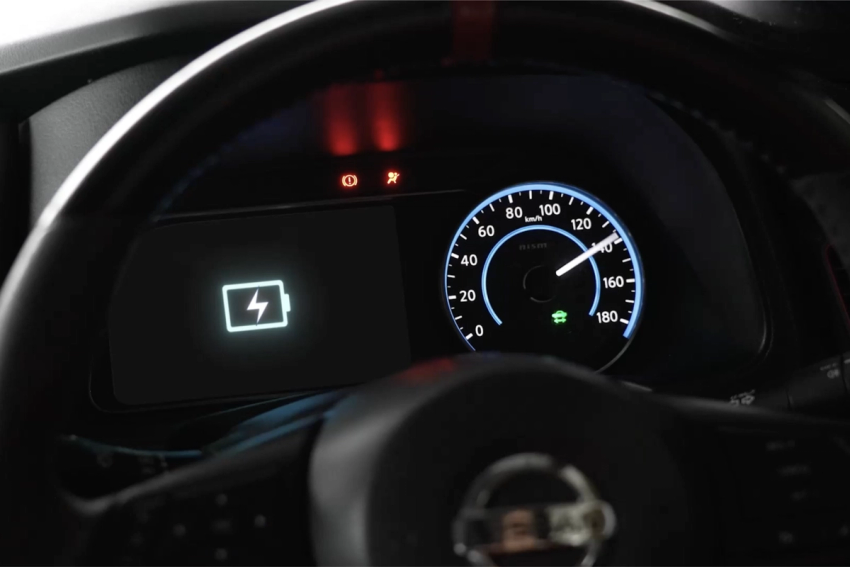
Physical controls allow drivers to make adjustments without taking their eyes off the road, relying on muscle memory rather than visual confirmation. Touchscreen interfaces can look clean and modern, but may require more attention while driving.
Choosing an interface that suits your preferences and driving style can have a meaningful impact on your comfort and confidence.
Understanding the technology
Modern EVs integrate a wide range of software driven features.
When comparing vehicles, it’s worth understanding how the navigation, driver assistance and connectivity features work. For example:
- Are updates automatic?
- Do key features rely on subscriptions?
- Is smartphone integration available as a fallback?
These factors can influence both cost and usability over the life of your vehicle.
Ownership costs that are easy to overlook
Beyond price, several ownership costs are not always obvious at first glance.
Insurance and repair considerations
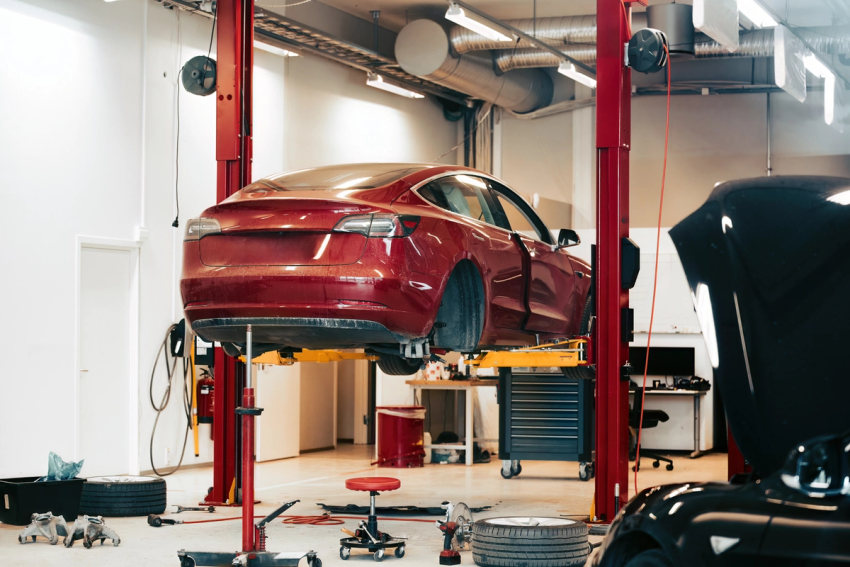
Many EVs use newer construction methods, including large single piece structural components. While this can improve strength and reduce manufacturing complexity, it can increase repair costs after an accident.
In some cases, damage that would have been repaired by replacing a small section now requires replacing a larger part of the vehicle. This can influence insurance premiums and repair timelines.
Understanding how insurers view specific models can help avoid surprises later.
Parts availability and servicing
Specialised windscreens, cameras, sensors and body panels are increasingly common in EVs. Availability and replacement costs can vary between brands, particularly for newer vehicles.
These aren’t the most engaging aspects of vehicle ownership, but they’re important for long term peace of mind.
Tyres, torque and real world wear
One of the most common surprises for new owners is tyre wear. EVs are generally heavier than equivalent petrol vehicles and deliver instant torque, which places greater demand on tyres.
Wider tyres are often fitted to manage that torque and provide stability, and can be more expensive to replace. Driving style plays a significant role here. Smooth acceleration and measured driving extend your tyre life, while frequent hard launches increase wear.
Factoring tyre replacement into ownership costs provides a more accurate picture of ongoing expenses.
Matching an EV to how you actually drive
Choosing the right EV is ultimately about alignment with your lifestyle.
Everyday driving vs spontaneous travel
If most of your driving is local and predictable, efficiency and comfort may matter more than maximum range. If you value the ability to travel at short notice without thinking about charging stops, a larger battery and faster charging capability may be worth it.
Performance expectations in modern EVs
Acceleration and performance were once standout features of EVs. Today, even entry level models offer strong performance compared with traditional vehicles.
Rather than focusing on speed, it’s more useful to assess ride quality, suspension comfort, noise levels, visibility and how the vehicle behaves on New Zealand roads. These factors shape everyday satisfaction far more than headline performance figures.

Features that matter less in practice
Some features generate attention but have limited impact on daily use.
Extreme acceleration modes and high speed capability are rarely used in everyday driving. New Zealand speed limits apply regardless of your vehicle, and most EVs already offer more performance than you need.
Over time, qualities such as ride comfort, intuitive controls, ease of parking and confidence on uneven surfaces tend to matter the most.
Managing choice in a crowded market
With so many options available, feeling overwhelmed is understandable. One way to simplify your decision is to prioritise fundamentals before comparing finer details.
- Vehicle size that suits your environment
- Battery capacity aligned with your driving habits
- Charging speed that supports your travel
- Controls and interfaces you’re comfortable using
EV ownership in New Zealand continues to mature
EV ownership in New Zealand has moved well beyond early adoption. Vehicles are better matched to local conditions, charging infrastructure is more established and the second hand market continues to grow.
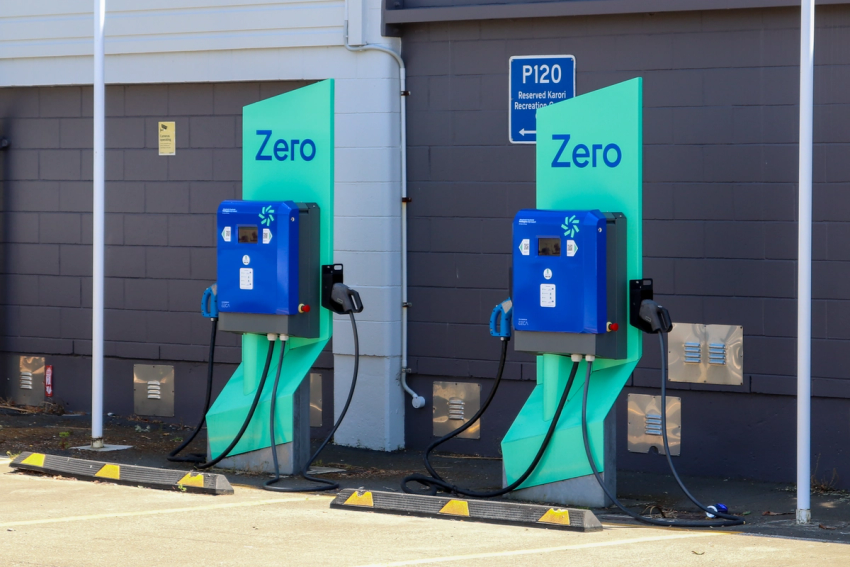
This maturity brings greater confidence for buyers, but also places more responsibility on making informed choices. Selecting an EV based on how it will be used over time leads to a more stable and satisfying experience.
Choosing an EV with confidence in 2026
Buying an electric vehicle today is no longer about uncertainty or experimentation. It is about selecting a vehicle that aligns with your driving patterns, expectations and long term needs.
When battery size, charging capability, safety systems, ownership costs and everyday usability are considered together, the decision becomes clearer. An EV chosen on this basis is more likely to deliver confidence and value across its life, whether you use it primarily for daily travel, longer journeys or a mix of both.
Taking the time to assess these factors upfront supports a more considered transition to electric driving and a more settled experience on the road.
Other useful EV buying resources
- EVDB NZ – Compare and explore EVs in NZ
- Meridian Energy Home EV Plan - Get on a power plan that suits EV ownership
- EVs versus hybrids – what’s the difference? - insights from Meridian’s EV guide
- Electric Vehicles TradeMe - Browse what’s currently for sale